Exploring the Benefits of Custom Rubber Molding for Food Packaging Solutions
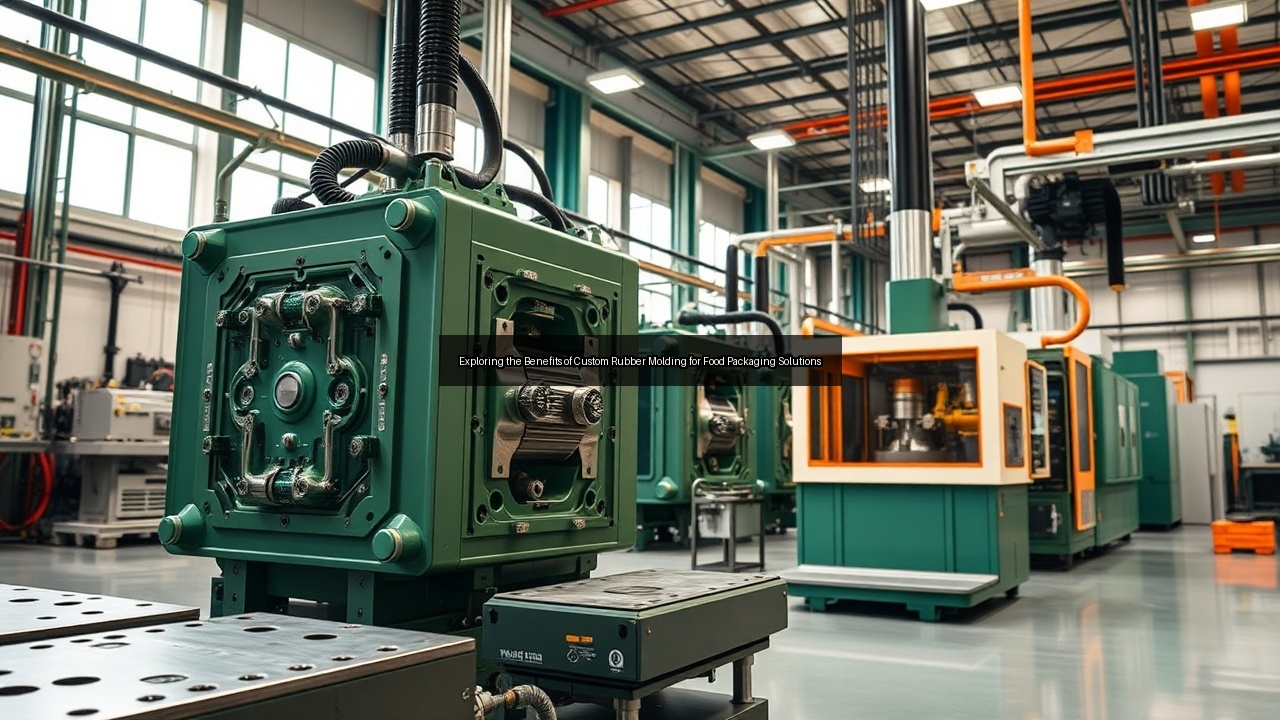
Understanding Custom Rubber Molding in Food Packaging
What is Custom Rubber Molding?
Custom rubber molding involves creating specific shapes and designs using various rubber compounds to meet the unique requirements of food packaging. This manufacturing process allows for the production of custom molds tailored to the needs of the customer. By utilizing different molding techniques—including injection molding, compression molding, and transfer molding—manufacturers can produce high-quality rubber products that maintain precision tolerances. Custom rubber molds often include features that enhance functionality, such as gaskets, bumpers, or vibration dampeners, providing optimal performance in food packaging applications.
Popular Technologies in Rubber Molding
Modern rubber molding employs several advanced technologies, each suited for distinct applications within food packaging. Injection molding is one of the most prevalent methods, allowing manufacturers to create complex shapes with tight tolerances. This technique involves injecting molten rubber into a mold under pressure, resulting in efficient production cycles. Compression molding, another common technique, utilizes heat and pressure to form rubber into molds. This method is particularly useful for producing thicker parts or items requiring a specific texture. Transfer molding combines elements of both injection and compression molding, making it ideal for intricate designs or when using elastomers like EPDM or silicone. Each of these technologies contributes to the versatility and efficiency of custom rubber molding in food packaging solutions.
Key Materials Used in Food Packaging Molds
The choice of materials for custom rubber molds significantly impacts their performance and compliance with food safety standards. Common materials include EPDM, silicone, and various elastomers, each rubber custom molds offering unique properties. EPDM, known for its durability and resistance to weathering, is often used in outdoor packaging applications. Silicone provides excellent flexibility and temperature stability, making it suitable for products that require a high degree of thermal resistance. Additionally, food-grade rubber compounds ensure safety and compliance with regulations set by organizations such as ISO. By selecting the right materials, manufacturers can create molds that not only meet functional requirements but also adhere to stringent food safety standards.
Advantages of Custom Rubber Molding for Food Packaging Solutions
Precision and Tolerances in Manufacturing
Precision is paramount in food packaging, where even minor variations can compromise product integrity. Custom rubber molding offers exceptional accuracy, ensuring that molds meet exact tolerances specified by designers. Manufacturers utilize advanced technologies and techniques to create molds that fit seamlessly with other components, such as gaskets or seals. The controlled environment in which custom molds are produced, often resembling a clean room, minimizes contamination risks and enhances the quality of the final product. This level of precision not only helps maintain food safety but also improves the overall efficiency of the packaging process, reducing waste and ensuring consistency across batches.
Benefits of Various Molding Techniques
Each molding technique brings distinct advantages to the table, contributing to the effectiveness of custom rubber molding in food packaging. Injection molding stands out for its ability to produce large volumes of identical parts quickly, making it ideal for mass production. Compression molding, while slower, offers flexibility in design and material selection, allowing for the creation of thicker and more robust components. Transfer molding provides a balance between the two, accommodating complex shapes while maintaining efficient production rates. By leveraging these molding techniques, manufacturers can tailor their approach to meet specific customer demands, ensuring optimal performance and reliability in food packaging solutions.
Cost-Effectiveness and Efficiency
Custom rubber molding provides significant cost-effectiveness and efficiency, making it an attractive option for food packaging manufacturers. The initial investment in custom molds can yield substantial savings over time, particularly when producing large quantities. The automation of processes, especially in injection molding, reduces labor costs and improves production speed. Furthermore, precision manufacturing minimizes material waste, allowing for better resource utilization. As a result, companies can deliver high-quality products at competitive prices while maintaining profitability. This efficiency not only benefits manufacturers but also enhances the overall supply chain, enabling quicker turnaround times for customers.
Applications and Innovations in Custom Rubber Molding
Custom Molds for Food Safety Standards
Ensuring compliance with food safety standards is essential for manufacturers in the food industry. Custom rubber molds play a crucial role in achieving these standards by allowing for the production of components that meet specific regulatory requirements. Manufacturers can design molds that incorporate features such as easy-to-clean surfaces and antimicrobial properties. Innovations in material science have also led to the development of rubber compounds that resist bacteria and other contaminants, further enhancing food safety. By investing in custom rubber molding, companies demonstrate their commitment to quality and consumer safety while enhancing their product offerings in a competitive marketplace.
Innovative Rubber Shapes for Packaging
Innovative designs in rubber molding have revolutionized food packaging solutions, allowing manufacturers to create shapes that enhance functionality and appeal. Custom rubber shapes can be designed to facilitate better sealing, reduce leakage, and improve the overall user experience. For example, grommets and bumpers can be incorporated into packaging to protect delicate items during transport. Additionally, advances in engineering enable the development of molds that accommodate unique shapes, catering to specific product requirements. This level of customization not only meets the needs of food manufacturers but also enhances the aesthetic appeal of packaged products, attracting consumer attention on the shelves.
Impact of Engineering on Design
Engineering plays a pivotal role in the design and development of custom rubber molds for food packaging. Expert engineers work closely with manufacturers to analyze product requirements and create molds that optimize performance while minimizing production costs. The integration of CAD (Computer-Aided Design) software allows for precise modeling of mold designs, ensuring that every detail meets the specified tolerances. Additionally, engineers consider factors such as temperature control, pressure application, and material properties during the design phase. This thorough approach results in molds that not only perform well but also withstand the rigors of manufacturing and distribution, ultimately enhancing the reliability of food packaging solutions.
Choosing the Right Manufacturer for Custom Rubber Molding
Factors to Consider When Selecting a Manufacturer
Selecting a qualified manufacturer for custom rubber molding requires careful consideration of several key factors. First, assess their experience in the industry and their track record with food packaging solutions. A manufacturer with a proven history of producing high-quality molds ensures that they understand the specific challenges and requirements of the food industry. Additionally, consider their capabilities in terms of technology and manufacturing processes. A manufacturer equipped with advanced tools and rubber custom molding techniques will likely provide more innovative solutions and improved efficiency. Lastly, evaluate their commitment to customer service rubber custom molding and support, as a collaborative approach can lead to better outcomes and more successful projects.
The Importance of Experience and Expertise
Experience and expertise are critical when choosing a manufacturer for custom rubber molding. An experienced manufacturer brings valuable insights and knowledge gained from working on a diverse range of projects. This expertise allows them to anticipate potential challenges and offer effective solutions tailored to the unique needs of food packaging. Furthermore, manufacturers with a strong background in engineering can provide design advice, helping customers optimize their mold specifications for improved performance. By partnering with an experienced manufacturer, companies can enhance the quality and reliability of their food packaging solutions while minimizing the risk of costly errors.
Quality Assurance and Inspection Processes
Quality assurance is a cornerstone of successful custom rubber molding. Reputable manufacturers implement rigorous inspection processes to ensure that each mold meets the highest standards. This includes thorough testing for tolerances, material integrity, and overall functionality. Manufacturers often utilize advanced inspection technologies, such as 3D scanning and automated measurement systems, to verify mold accuracy. By adhering to ISO standards and adhering to stringent quality control measures, manufacturers can guarantee that their molds are safe for food use and capable of performing as intended. This commitment to quality ultimately enhances the value of the final product and builds trust with customers.