Mastering the Techniques of CNC Milling for Acetal and PEEK Components
Understanding CNC Milling Techniques for Plastics
The Basics of CNC Milling
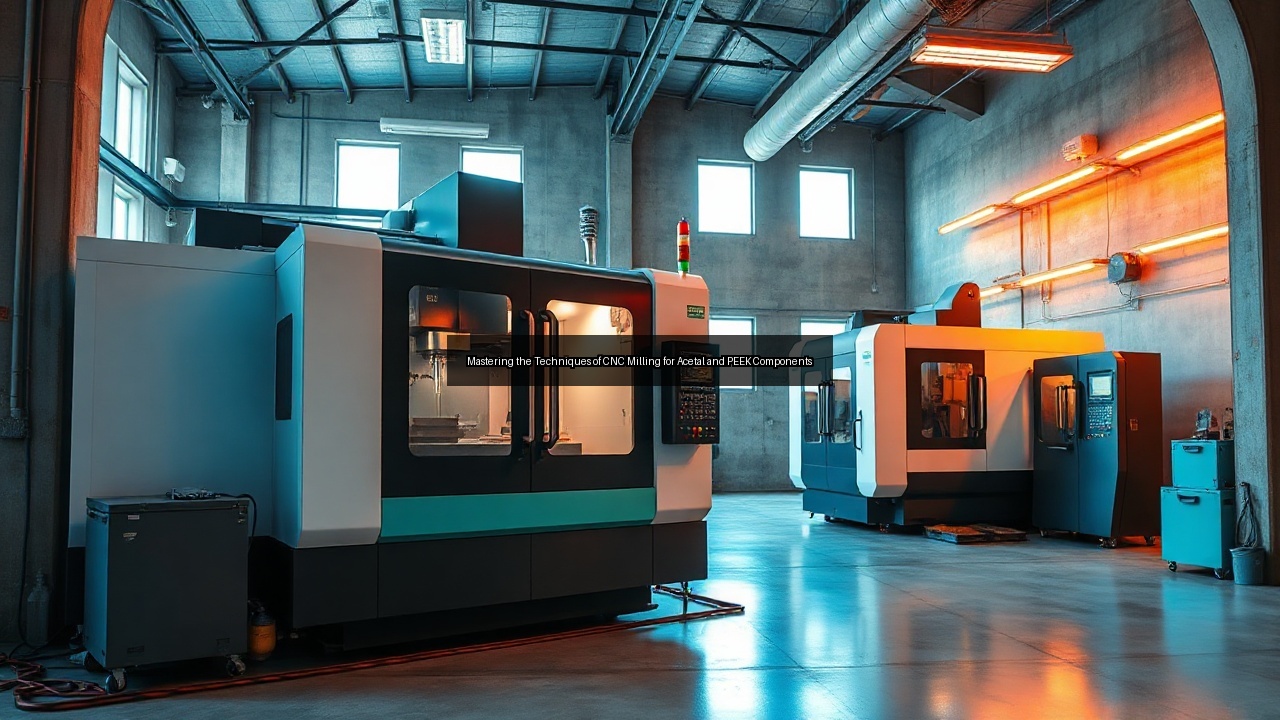
CNC milling serves as a cornerstone in the world of precision engineering, especially when it comes to machining complex plastic parts. This subtractive manufacturing process utilizes computer numerical control to operate milling machines that remove material from a workpiece. The process begins with a digital design, usually created with CAD software, which guides the CNC mill to execute intricate cuts and shapes. Operators can achieve high levels of precision, making CNC milling ideal for producing components with tight tolerances. The ability to work with various materials, including plastics like acetal and PEEK, makes CNC milling a versatile option for manufacturers looking to innovate in their product designs.
Key Differences in Machining Acetal and PEEK
Acetal and PEEK represent two distinct categories of engineering plastics, each with unique properties that affect their CNC milling processes. Acetal, known for its excellent machinability, offers a smooth finish and minimal warping during machining. It operates well at moderate cutting speeds and is often chosen for applications requiring good wear resistance and low friction. PEEK, on the other hand, presents different challenges due to its high melting point and toughness. Machining PEEK requires specialized tools and cutting parameters to prevent overheating and deformation. Understanding these differences is essential for CNC plastic machining manufacturers aiming to produce high-quality components that meet specific performance criteria.
Routing and Its Role in Plastic Machining
Routing plays a vital role in the CNC machining of plastics. This technique involves using a router to cut and shape plastic materials with precision. Unlike traditional milling, routing often focuses on creating intricate designs, including contours and profiles. This method is particularly useful for producing custom plastic parts built to specification. CNC routers can handle various types of plastics, including acetal and PEEK, allowing for flexibility in design. The combination of routing and CNC technology enables manufacturers to achieve complex geometries that meet the demands of modern applications across industries, from automotive to electronics.
Materials and Their Applications in CNC Machining
Exploring Acetal: Properties and Uses
Acetal, also known as polyoxymethylene (POM), stands out as a popular choice in CNC plastic machining due to its favorable mechanical properties. This engineering plastic boasts high strength, stiffness, and excellent dimensional stability. Its low moisture absorption makes it suitable for applications in humid environments, while its natural lubricity reduces wear and friction in moving parts. Common uses for acetal include gears, bearings, and housings where precision and durability are critical. When CNC machined, acetal offers a smooth surface finish, making it an ideal candidate for custom parts that require aesthetic appeal alongside functionality. The versatility of acetal positions it as a leading material in high-performance plastic component production.
PEEK: A High-Performance Polymer
PEEK (polyether ether ketone) ranks among the most advanced engineering plastics available today. Known for its exceptional thermal stability, chemical resistance, and mechanical strength, PEEK excels in demanding applications across various industries, including aerospace, automotive, and medical. CNC machining PEEK requires specialized techniques, including the use of carbide tools and proper cooling to prevent thermal degradation. The result is precision components that can withstand extreme conditions, making PEEK an invaluable material in high-performance environments. Its ability to maintain integrity at elevated temperatures sets PEEK apart from other plastics, establishing its reputation as a material of choice for critical applications.
Teflon and Its Unique Machining Challenges
Teflon, or polytetrafluoroethylene (PTFE), presents unique challenges in CNC plastic machining due to its low friction and high chemical resistance properties. While these characteristics make Teflon ideal for applications requiring non-stick surfaces and chemical resistance, machining it demands careful attention. The material tends to expand during cutting, which can lead to inaccuracies if not managed properly. Additionally, Teflon's softer nature requires slower cutting speeds and specialized tooling to achieve a quality finish. Despite these challenges, Teflon remains a popular choice for components used in industries like food processing and aerospace, where its properties provide significant advantages.
Innovations in CNC Plastic Fabrication
Advancements in Machining Centers
Recent advancements in machining centers have significantly enhanced the capabilities of CNC plastic fabrication. Modern machining centers now feature advanced technology such as multi-axis milling, automated tool changers, and integrated software solutions that streamline the machining process. These innovations allow for greater flexibility and efficiency, enabling manufacturers to produce complex geometries with minimal setup time. The integration of robotics and automation further optimizes the production workflow, reducing labor costs and improving output consistency. As a result, CNC plastic machining manufacturers can deliver high-quality, precision components more quickly than ever before, meeting the demands of fast-paced markets.
Emerging Technologies for Precision Components
The landscape of CNC plastic machining continues to evolve, driven by emerging technologies that enhance precision and performance. Additive manufacturing, for example, complements traditional CNC milling by allowing for rapid prototyping and the production of intricate designs that are difficult to achieve with conventional methods. Hybrid manufacturing techniques that combine additive and subtractive processes offer new avenues for customization and innovation in plastic fabrication. These technologies not only accelerate product development cycles but also enable the production of components that meet stringent regulatory requirements across various industries. Staying abreast of these technological advancements positions CNC machining professionals to leverage innovations that improve product quality and market competitiveness.
CNC Machining for Complex Nonmetallic Parts
CNC machining excels in creating complex nonmetallic parts, making it an essential process for industries reliant on high-performance plastics. The ability to machine intricate designs, including internal geometries and fine details, allows for the production of components that would be challenging with conventional manufacturing methods. Engineers and designers often specify custom parts machined from engineering plastics to ensure they meet specific functional requirements. The versatility of CNC machining also facilitates the production of small batch sizes without compromising quality, enabling manufacturers to respond quickly to market needs. As more industries recognize the benefits of high-performance plastic components, CNC machining continues to be a driving force in the evolution of nonmetallic part production.
Partnering with Specialists in High-Performance Plastic Components
Choosing an Experienced Plastic Machining Partner
Selecting an experienced plastic machining partner is critical for manufacturers seeking high-quality custom components. A knowledgeable partner brings expertise in machining complex nonmetallic parts, ensuring that the production process meets industry standards and client specifications. Look for a CNC plastic machining manufacturer with a proven track record in working with challenging machinable plastics like acetal and PEEK. Their familiarity with the unique properties of these materials can lead to better machining outcomes and reduced trial-and-error in production. Partnering with specialists also provides access to advanced technologies and machinery, further enhancing the capabilities of your manufacturing operations.
Custom Parts Machined to Specification
The demand for custom parts machined to specification has surged in recent years, driven by the need for tailored solutions across various industries. CNC machining enables manufacturers to produce components that meet precise dimensions and tolerances, addressing the specific needs of applications ranging from medical devices to automotive components. By collaborating with a CNC machining partner, companies can leverage their expertise to create custom solutions that enhance product performance and reliability. This bespoke approach not only improves functionality but also allows for innovation in product design, leading to competitive advantages in the marketplace.
The Importance of Expertise in Challenging Machinable Plastics
Expertise in challenging machinable plastics is essential for achieving optimal results in CNC machining. Materials like acetal, PEEK, and Teflon require specialized knowledge to manipulate effectively, ensuring that the desired properties remain intact throughout the machining process. Experienced machinists understand the intricacies of tool selection, cutting parameters, and cooling techniques necessary for working with these advanced polymers. Their insights can significantly reduce machining errors and improve overall product quality. As industries machining complex nonmetallic parts continue to evolve and demand higher performance from their components, partnering with experts in high-performance plastic component production becomes increasingly important for manufacturers aiming to stay competitive.
See Also
- Your Go-To Guide for Finding a Reliable CNC Plastic Machining Partner
- The Art of Precision CNC Machining for Complex Nonmetallic Components
- From Design to Production: The Journey of CNC Machined Plastics
- Exploring the Versatility of CNC Machining in the Plastic Industry
- Custom Plastic Parts That Meet Your Exact Specifications